Sustainability in Costa Rica

Summer 2026: Sustainable Environments

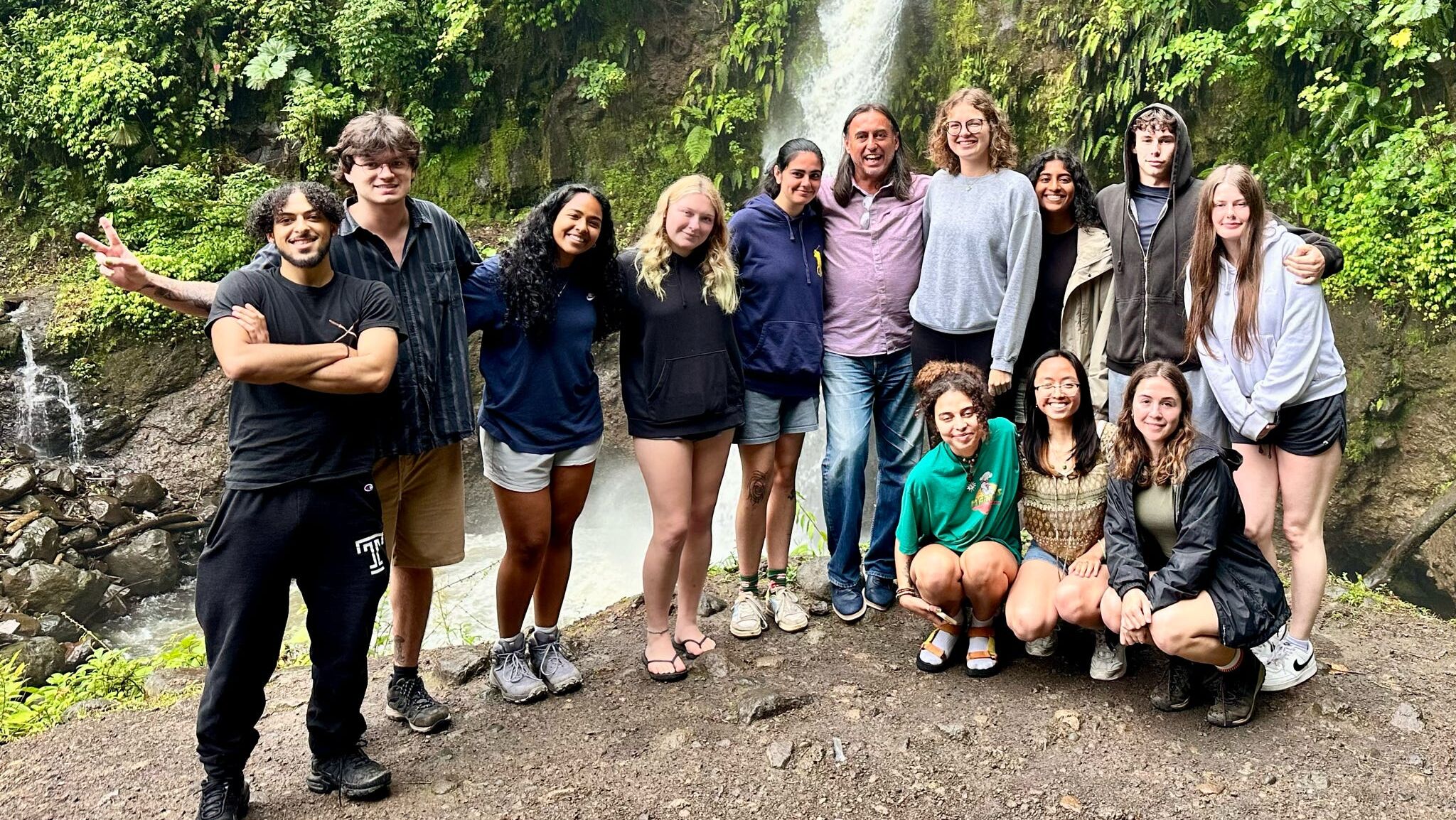
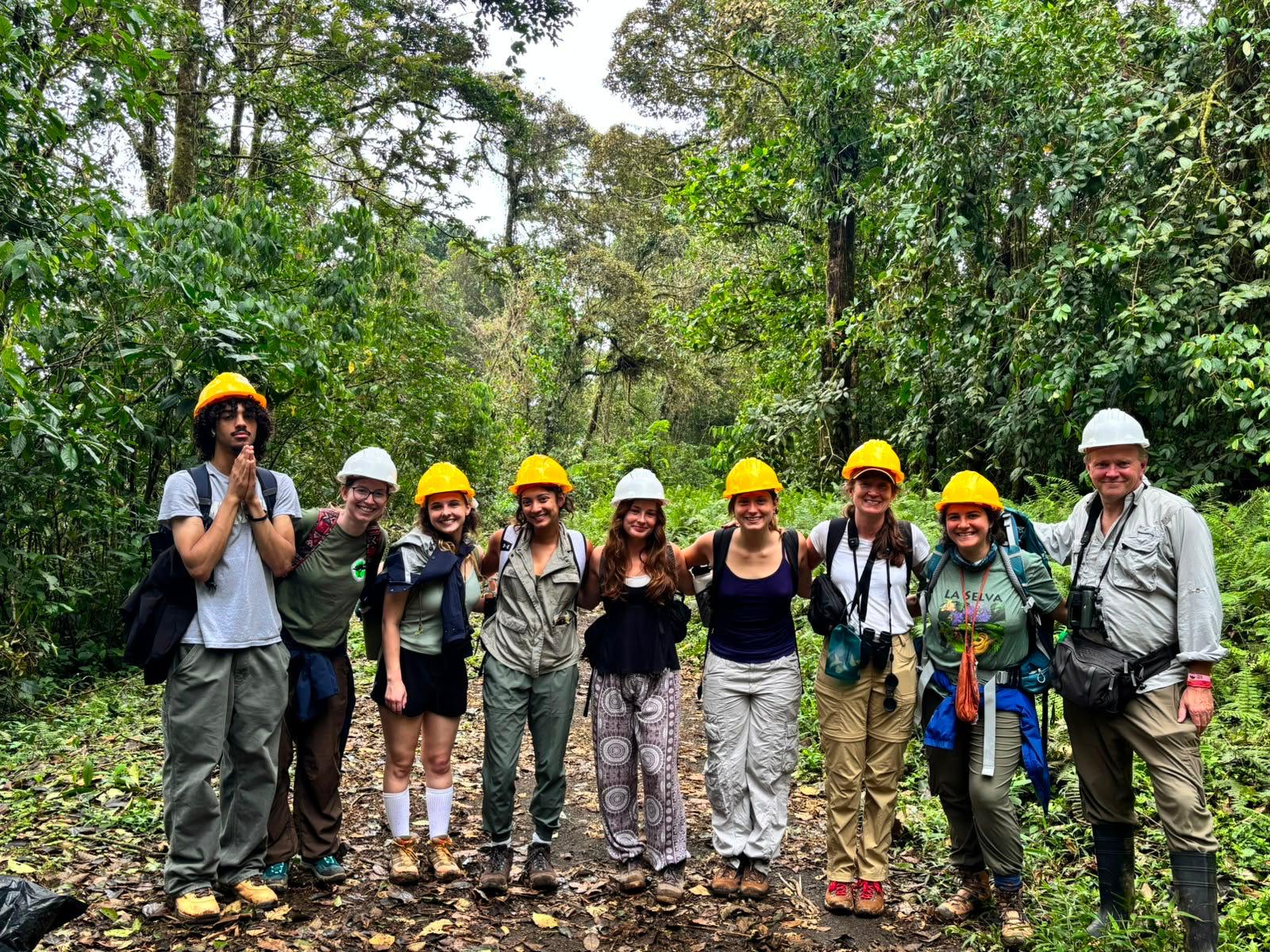
Study sustainability in Costa Rica, a country rich in biodiversity and natural resources that is known as a living laboratory for environmental protection. Experience ecosystems like tropical rainforests, volcanoes, and cloud forests, and observe sustainability practices integrated into daily life—from organic coffee farming to science-based wildlife conservation and passive cooling systems. Observe real-world challenges, gaining insight from local communities and organizations, while taking inspiration from this country’s climate resilience and model of sustainable development that prioritizes people and planet. Make friends with classmates as you embark on multi-day excursions, enjoy the beauty surrounding the mountain towns of Monteverde and Santa Elena, and share lessons learned for a more sustainable future in Greater Philadelphia.

This program is ideal for students eager to engage deeply with local communities in rural areas and excited to study sustainability through immersive, hands-on learning and exploration in Costa Rica’s uniquely rich natural environment.

Program Overview

Expand upon each of the links below to view more details about this program.

Academic Program

Language of Instruction

  • English; previous Spanish language experience not required.  
  • Non-credit Spanish language instruction will be included in the program. 

Course load

One 3-credit course

Course Offerings

  • You will select one of the following:
    • Geography and Urban Studies 0842: Sustainable Environments (GenEd Science and Technology)
    • Geography and Urban Studies 0942: Honors Sustainable Environments (GenEd Science and Technology)
    • Environmental Studies 3000: Special Topics in Environmental Studies
    • Geography and Urban Studies 3000: Special Topics in Geography and Urban Studies
    • Geography and Urban Studies 3900: Honors Special Topics
    • College of Science and Technology 2101: Special Topics in Science and Technology

Academic Program 

Immerse yourself in one of the most biodiverse and environmentally conscious countries in the world.

This four-week academic and cultural program, led by Dr. Amelia Duffy-Tumasz of Temple’s Geography, Environment, and Urban Studies department, examines sustainability through a blend of scientific study and hands-on experience in Costa Rica. From the urban environment of San José to the misty peaks of Monteverde’s Cloud Forest, you’ll explore how Costa Rica has become a global leader in conservation, renewable energy, and sustainable living.

Through coursework, field visits, and community engagement, you will strengthen your scientific literacy as you:

  • Study renewable energy systems

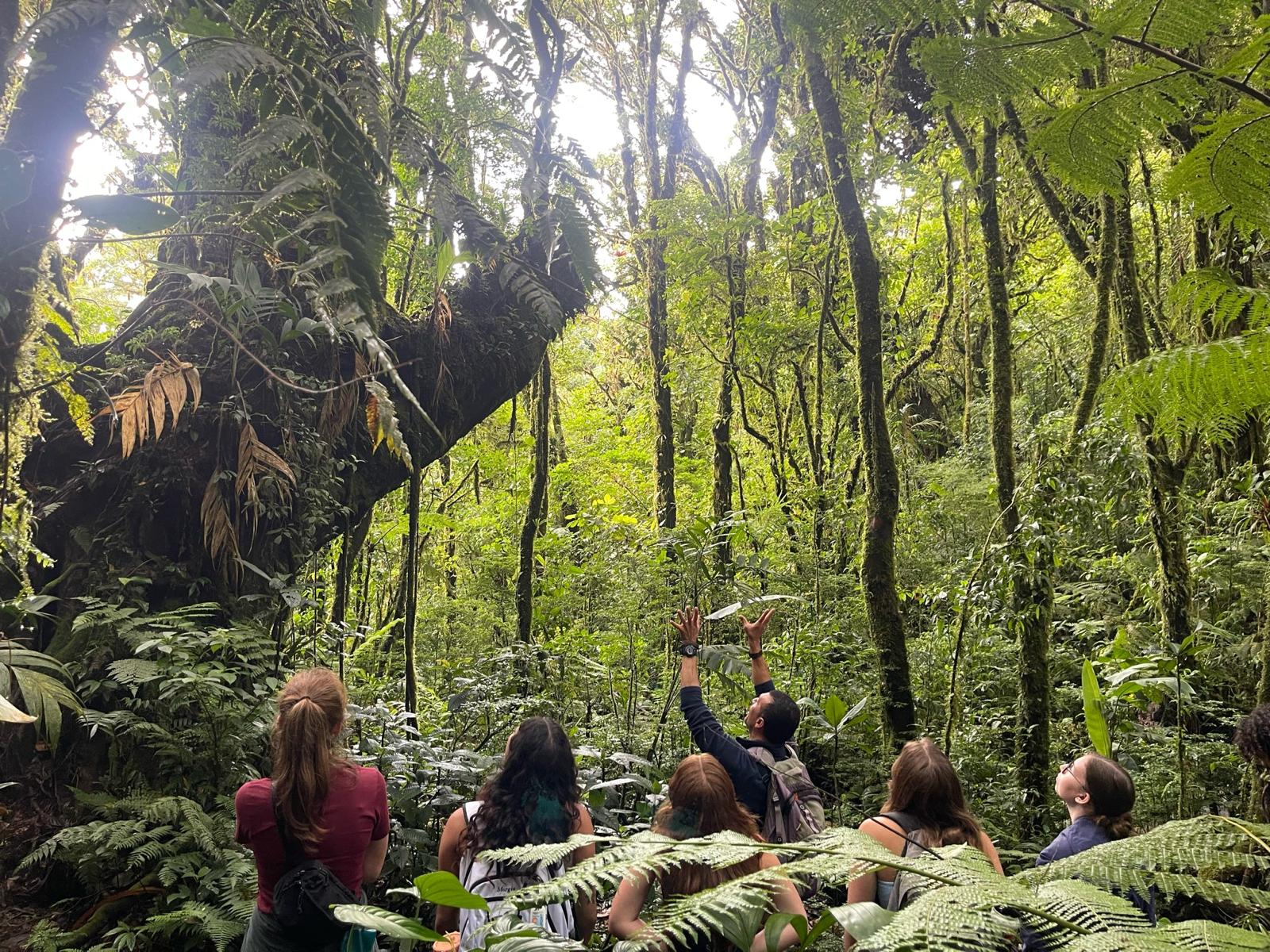
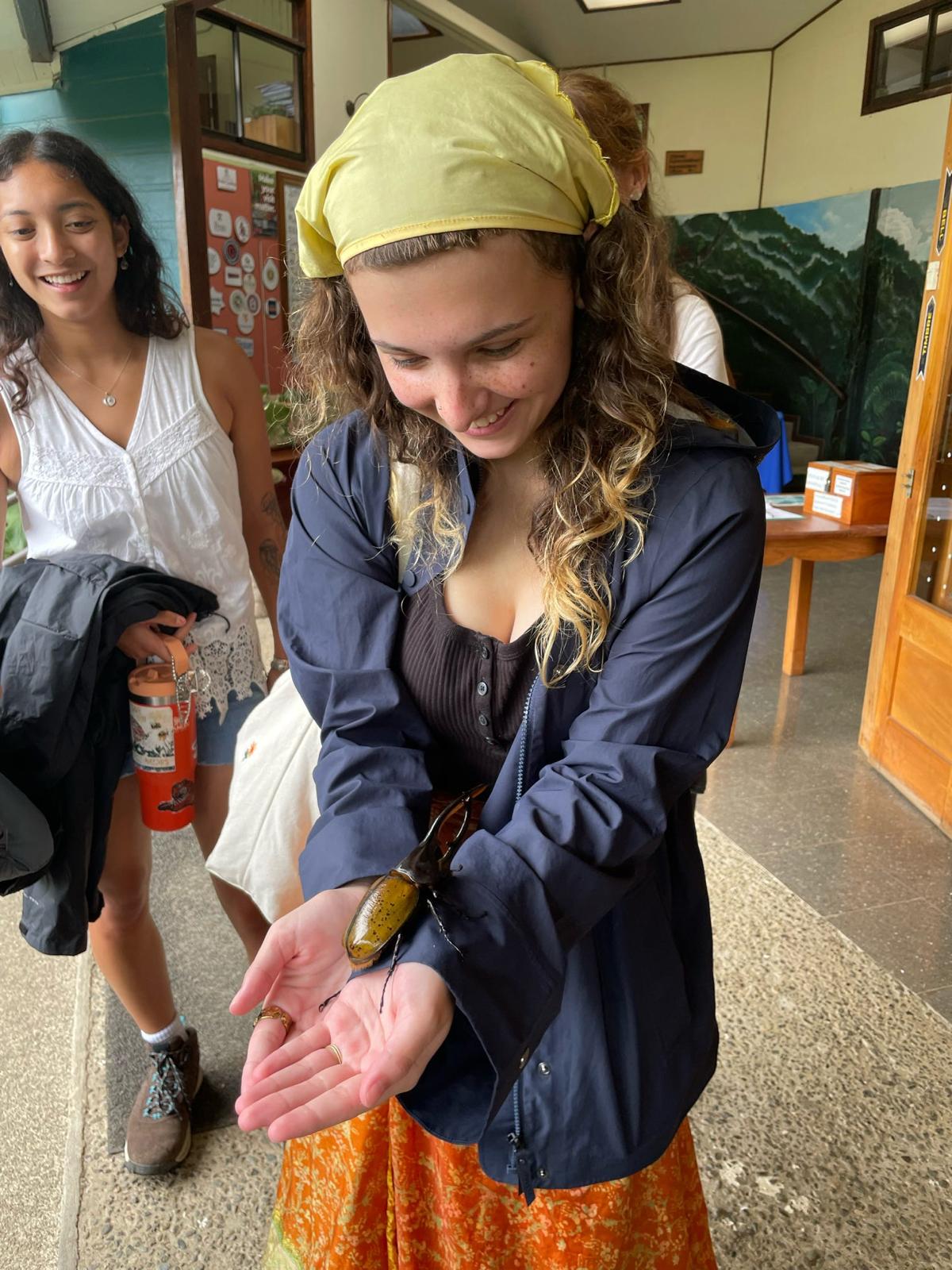
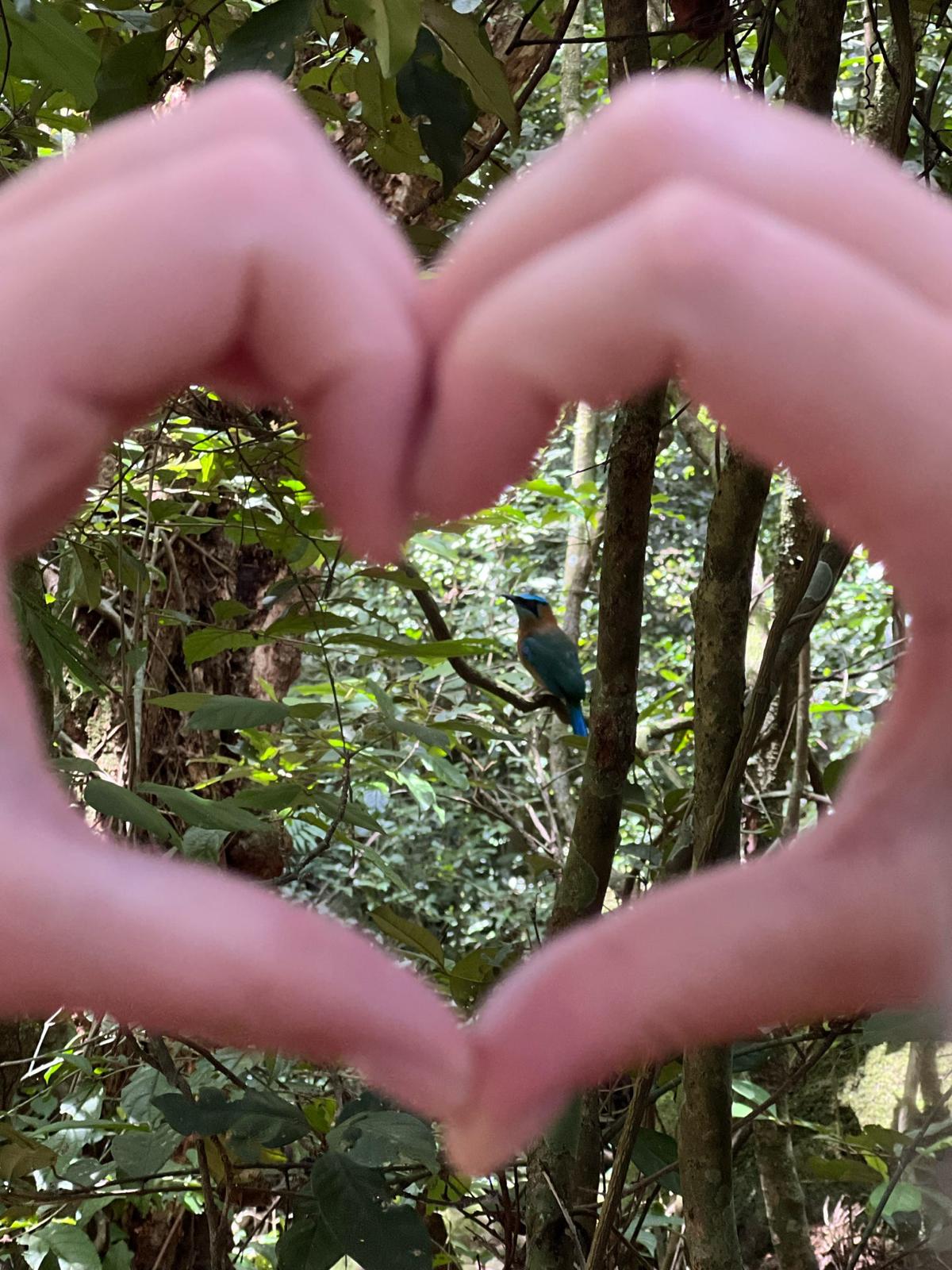
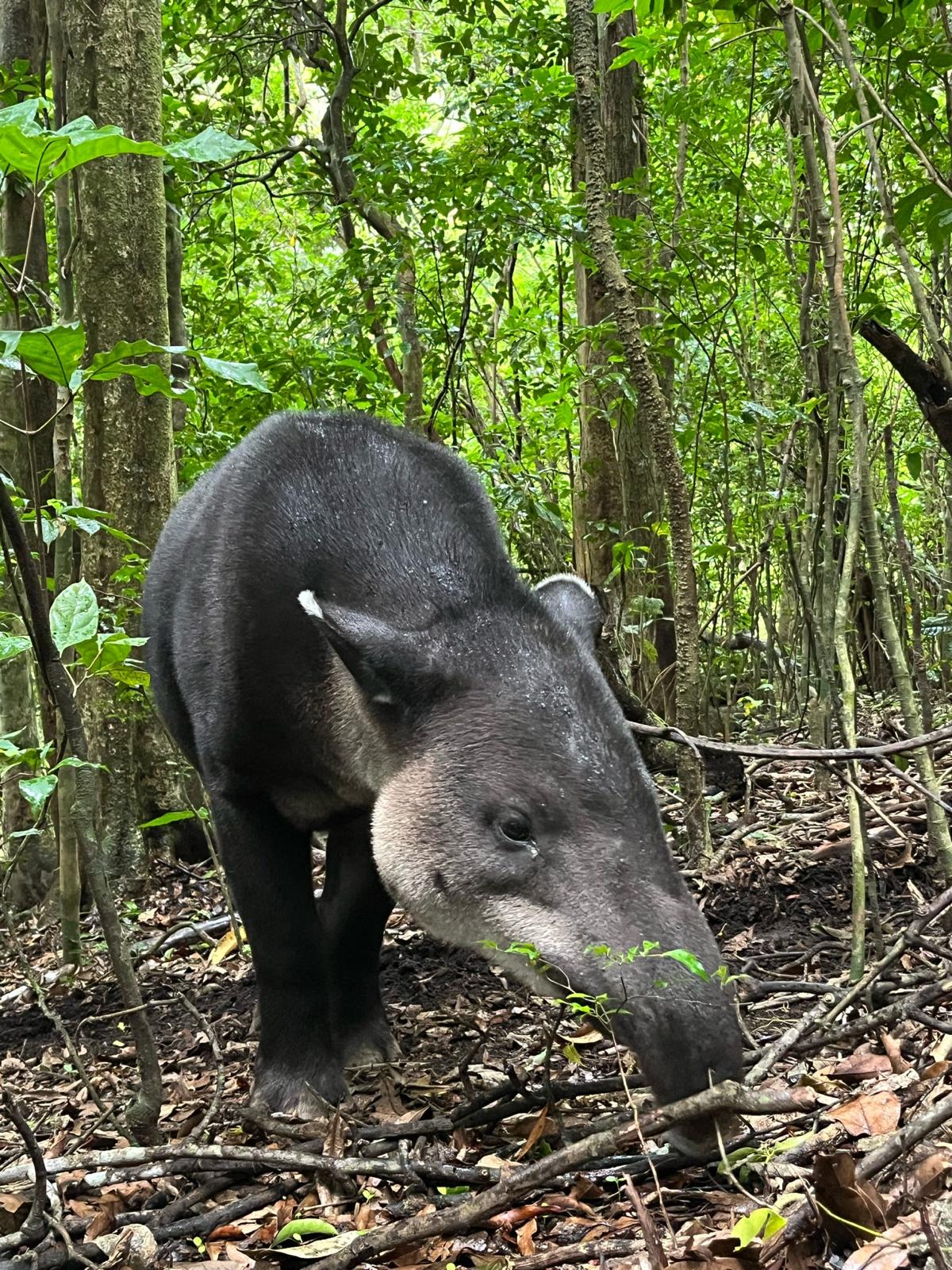
  • Experience the biodiversity of cloud and rain forests

  • Examine watershed management and reforestation efforts

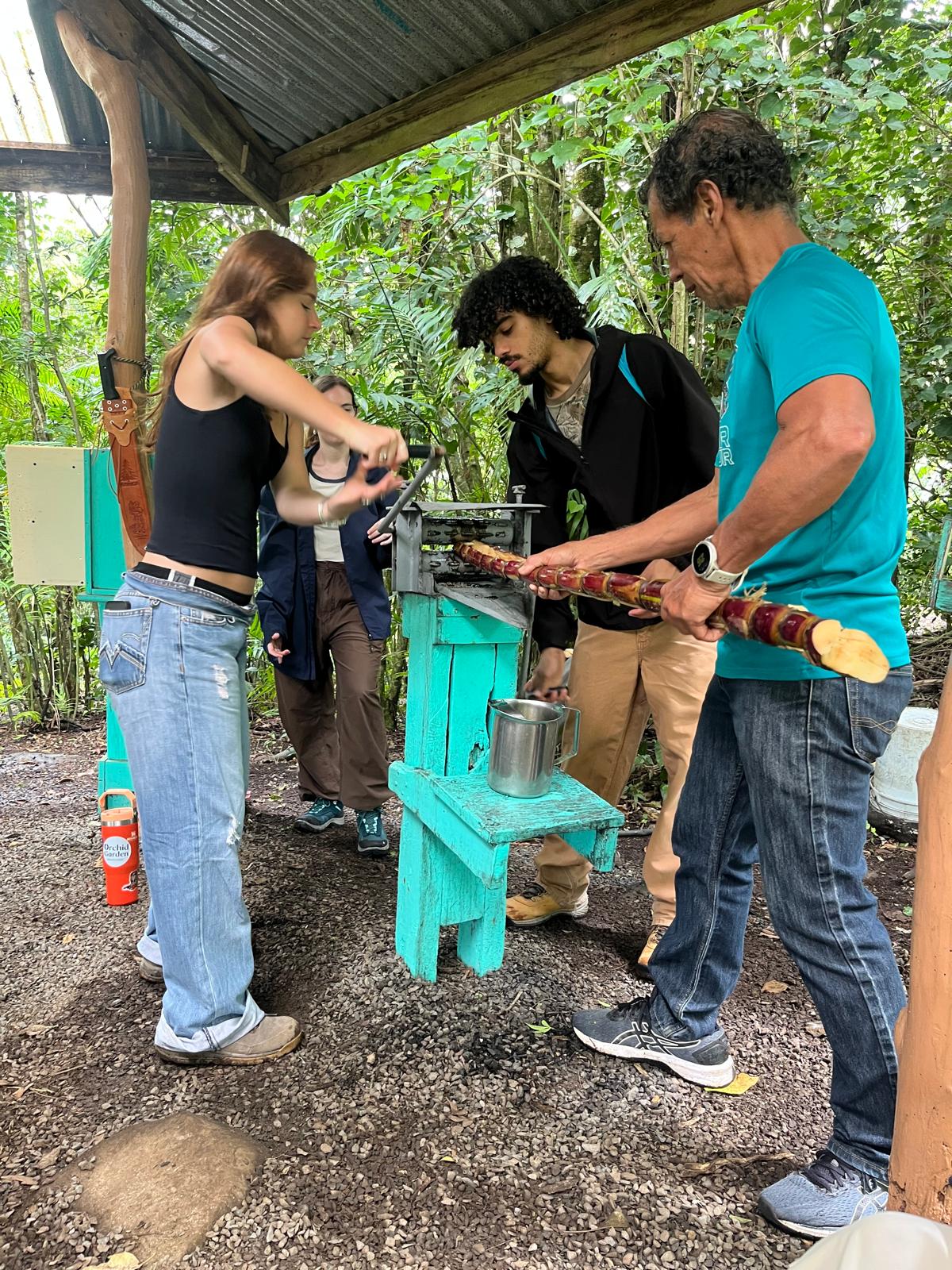
  • Visit farms to understand food systems and sustainable agriculture

  • Explore innovative technologies and solutions for sustainability

  • Learn how communities balance development and conservation

You’ll also learn how a nonprofit organization like the Monteverde Institute (MVI)—the host of this program—promotes sustainable tourism by integrating academic programs, research, and community initiatives that benefit both visitors and local residents.

Program Schedule

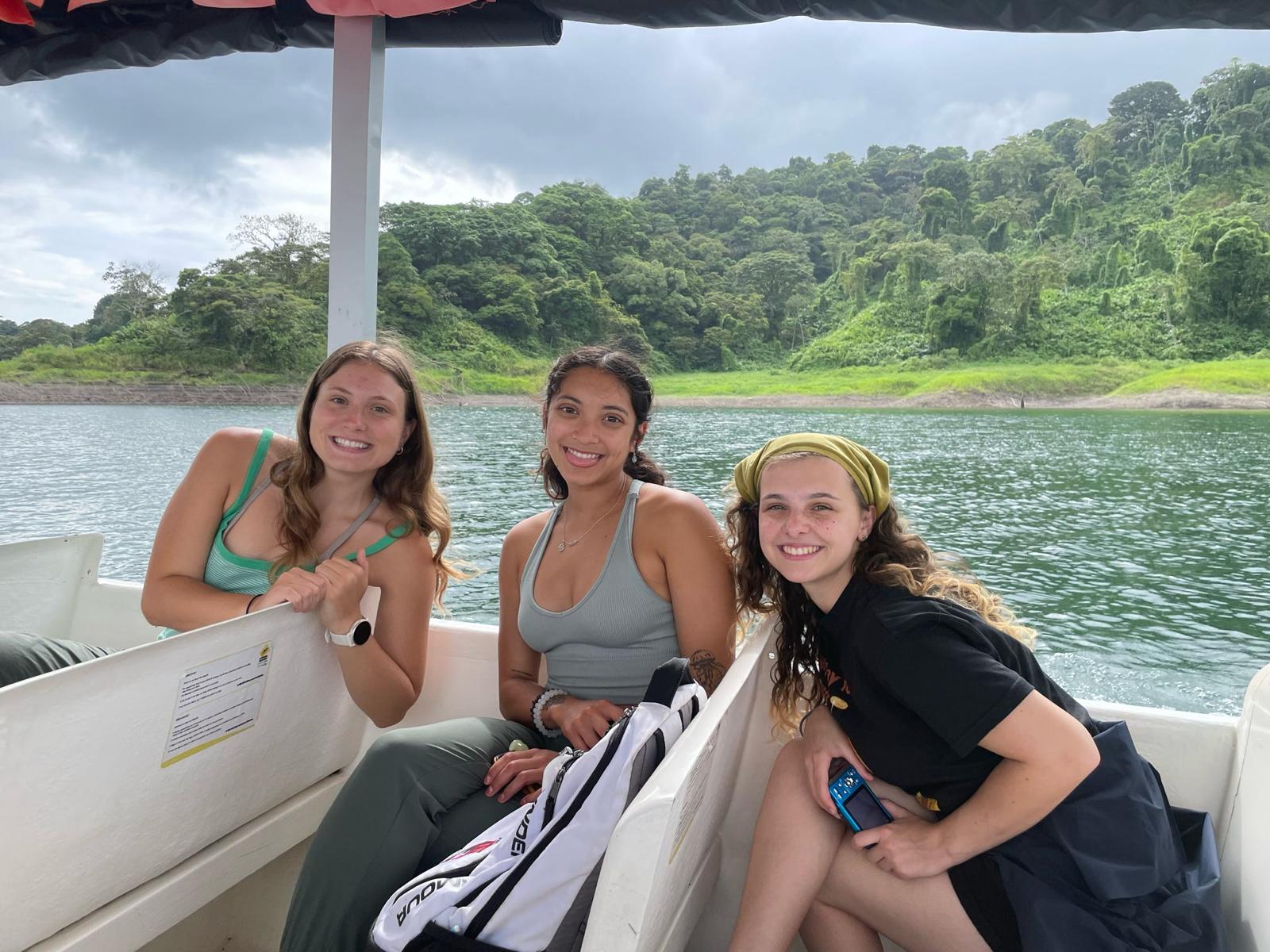
The program begins in San José, Costa Rica’s capital, where you’ll participate in an in-country orientation and learn about the country’s approach to urban sustainability. From there, you’ll travel to the scenic Arenal region to explore renewable energy in action at a hydroelectric plant and hike near Arenal Volcano.

Next, the program moves to the mountain region of Monteverde/Santa Elena, which will serve as your academic and cultural hub for the remainder of the program. Monteverde is home to the Monteverde Institute (MVI), the program’s host organization. You’ll live with a local host family in or around Santa Elena for approximately three weeks, giving you the opportunity to experience daily life and culture in Costa Rica. The homestay will be complemented by a two-night excursion to the Children’s Eternal Rainforest, where you’ll stay at a field station.

Academic Structure

During the week, classroom learning with Dr. Amelia Duffy-Tumasz is combined with:

  • Guest lectures and discussions

  • Guided field visits and hikes

  • Hands-on workshops and environmental exploration

You’ll also participate in non-credit Spanish language instruction, offered at multiple levels from beginner to advanced, to help you better engage with your host community.

Free Time and Travel Notes

You will have some downtime on select weekends to explore different areas of Costa Rica. As required excursions, activities and/or transit to program locations may take place on some weekend days, and the schedule is tentative, you should not plan any personal travel prior to arrival in Costa Rica. 

Location

The program is primarily based in Monteverde/Santa Elena and includes multi-day experiences in San José and the Arenal region. All activities and excursions are an integral part of the program.

Life and Learning in Monteverde

Monteverde is a unique region in northwestern Costa Rica made up of about 14 small communities, with most residents living in the nearby village of Santa Elena. Once centered on dairy farming, the area now thrives on ecotourism, coffee production, and sustainable agriculture, offering students a close look at how local communities balance livelihoods and conservation.

Located in the mountain highlands, Monteverde sits just off the Pan-American Highway and is surrounded by dramatically different landscapes. At the top of the nearby mountain ridge—known as the continental divide—you’ll find a cool, misty cloud forest. From there, lush rainforest stretches toward the Atlantic, while drier forests slope down toward the Pacific, creating one of the most diverse ecosystems in Costa Rica.

This rare mix of environments makes Monteverde an incredible place to study ecology, biodiversity, and plant–animal relationships. The region is also famous for the Monteverde Reserve complex, which protects more than 29,000 hectares of tropical forest. Unlike national parks, these preserves exist thanks to the long-standing efforts of local residents, scientists, and conservation groups—making Monteverde a powerful example of community-driven environmental stewardship.

Program Dates

Four weeks:  late May through late June

Tentative Program Dates for Summer 2026

Departure from U.S.May 31
Arrival in Costa RicaMay 31
OrientationMay 31 - June 1
Last night in housingJune 26
Program endsJune 27

Do not use the above dates to book your flight, as they are tentative and subject to change. Accepted students will receive confirmed program dates and flight booking guidelines from Education Abroad before making travel plans.  

Program participants are required to be present for the entire length of the program, from the official arrival date through the program end date.

Housing

Housing & Homestay Experience

While in Monteverde/Santa Elena, you will live in an MVI-arranged homestay located in or around Santa Elena. Host families may live up to a 60-minute walk from the Monteverde Institute (MVI) academic center, and walking routes can include uneven or steep terrain. Public transportation in the area is very limited and inconsistent, and currently not operating. While official taxis are available, taxi costs are not covered by the program.

All host families are trained and supported by MVI and help guide students throughout their stay. You will participate in a homestay orientation before meeting your host family.

What to Expect in the Homestay

  • Homes are generally simple and comfortable

  • You will have your own bedroom

  • Bathrooms are shared with host family members

  • Breakfast and dinner are provided daily

Host families primarily speak Spanish. If you have little or no Spanish experience, you should indicate this on your application so it can be taken into consideration; however, your host family may not include English speakers.

Housing During Travel

When traveling outside of Monteverde/Santa Elena, you will stay in shared rooms in modest hotels or field stations. Breakfasts and some additional meals are provided during these stays.

Activities & Excursions

MVI provides a comprehensive orientation upon arrival, in collaboration with the Temple program leader.

Throughout the program, you will participate in numerous required cultural activities and excursions and engage with farmers, scientists, conservationists, and community leaders who are shaping Costa Rica’s sustainable future. Details are subject to change, but activities and  excursions are likely to include:

  • Presentations/discussions:  

    • Protecting Trees in the Bellbird Biological Corridor Through Community-Based Conservation  

    • Biodiversity and Conservation in Monteverde, Costa Rica: The Children's Eternal Rainforest 

    • Working toward Climate Resilience in Monteverde 

  • Workshops/Activities:  

    • Water quality monitoring citizen scientist project participation 

    • Reforestation activity 

    • Food security and sustainable food production activity 

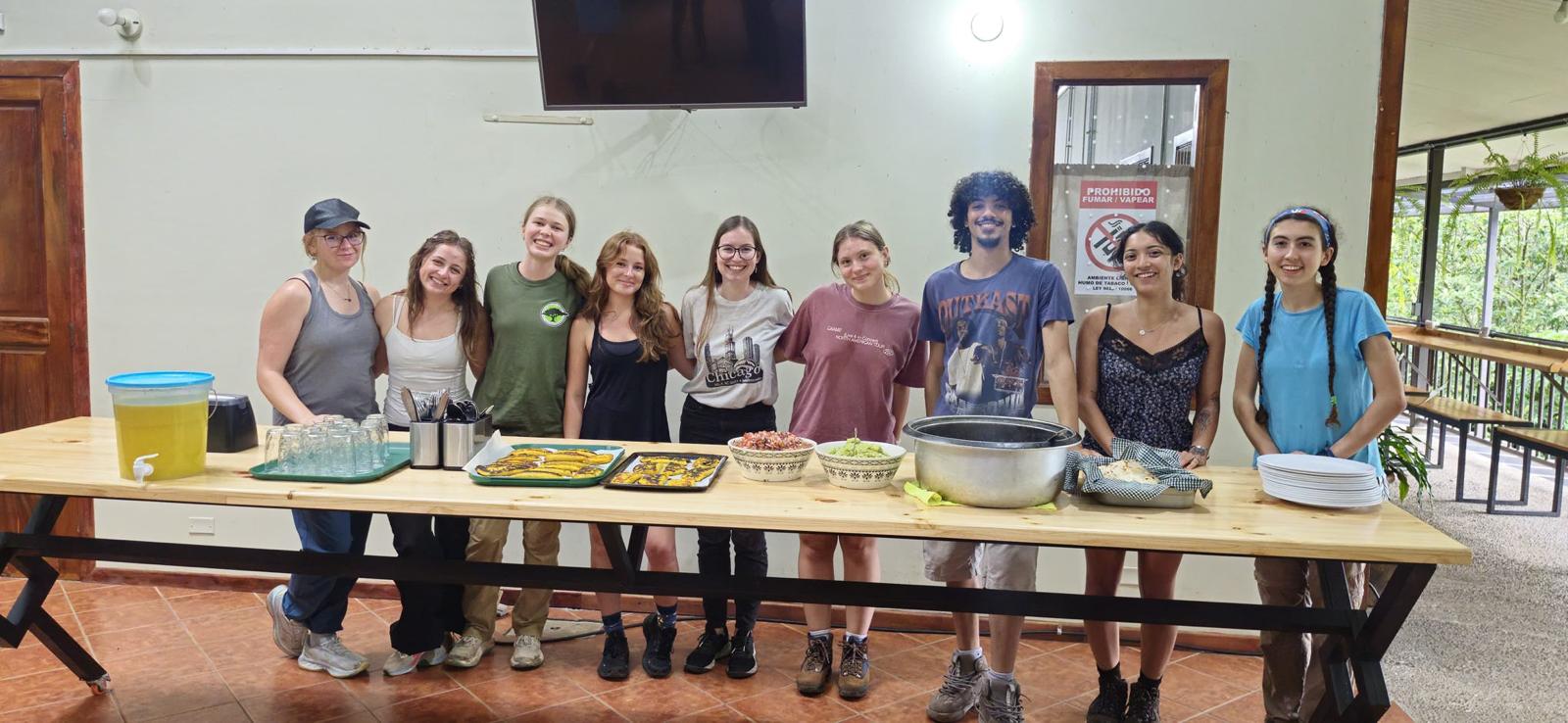
    • From-farm-to-table cooking class 

    • Enhancing public spaces community-service activity 

  • Hikes: 

    • Base of Arenal Volcano to old lava flow  

    • Natural history of the Monteverde Cloud Forest Preserve 

    • Cloud forest to premontane rainforest on the Caribbean slope 

    • Night hike 

    • Sendero Pacífico 

  • Walking tour with local organization focusing on water management and urban sustainability (San José) 

  • Overnight stay at San Gerardo Field Station / Children’s Eternal Rainforest  

  • Hydroelectric power plant tour 

  • Visits to coffee farms and a carbon negative dairy farm 

  • Boat tour of sustainable fishery in Costa de Pájaros 

  • Non-credit Spanish language classes (offered at various levels from beginner to advanced) 

Faculty & On-site Support

Faculty

The 2026 Costa Rica program is led by Dr. Amelia Duffy-Tumasz, Associate Professor (Instructional) in the Department of Geography, Environment and Urban Studies, and Co-Director of the Professional Science Master's in Sustainability, at Temple University. The National Science Foundation, Fulbright-IIE, Fulbright Hays, and the Society of Women Geographers have supported Dr. Duffy-Tumasz' research on gendered environmental politics and fish production systems in Senegal. 

Dr. Duffy-Tumasz earned a BA in Urban Studies from the University of Pennsylvania, MSc in Development Studies from the School of Oriental and African Studies (SOAS) at the University of London, and PhD in Geography from Rutgers University-New Brunswick. 

At Temple, Dr. Duffy-Tumasz has taught the following courses:

  • Sustainable Environments
  • Research Design
  • Environment and Society
  • Environment and Development
  • Food Studies
  • Sustainability in Action
  • Fundamentals of Sustainability Science and Environmental Justice

On-site Support Staff

In addition to your program director, you will have support from our on-site partner.

Program Costs

PROGRAM DEPOSIT

Students will pay a non-refundable program deposit of $400 within 2 weeks of acceptance to the program, or 2 weeks after the application deadline, whichever is earlier. This non-refundable deposit is credited to your program fees as a prepayment. 

TUITION AND FEES (3 CREDITS)

Temple students pay their usual per-credit rate by school/college and residency.

Non-Temple students are charged the Part-time Rate for Non-Matriculated Students per credit hour of enrollment based on their state of permanent residency.

All students pay:

  • University Services Fee
  • Costa Rica Program Fee, which is estimated at $3990, includes airport transfers upon arrival and departure, orientation, shared accommodations with daily breakfast provided, some additional meals, and program excursions. 

For complete details about billable costs and estimate for non-billable expenses, such as airfare, meals, and personal expenses, view the program cost sheet (available soon).

View detailed program costs.

SCHOLARSHIPS AND FINANCIAL AID

Education Abroad offers competitive, need-based scholarships for this program. Learn more about scholarships and financial aid.

Health & Safety

Staying healthy and safe abroad requires good planning and strong support. Review our health and safety page for important steps to preparing for study abroad, and details about international travel medical insurance and assistance provided by Temple.

Contact

Eligibility Requirements

Temple programs are open to qualified students matriculated at any U.S. or Canadian college or university.

You are eligible to apply if you meet the following requirements.

Are enrolled fulltime and will have completed 2 semesters before studying abroad
  • You are enrolled as a full-time matriculated student at the time of application as well as during the semester prior to studying abroad.
  • You will have completed at least two (2) semesters of college-level study by the program start.
Are in good academic standing and meet minimum GPA requirement for the program

You meet minimum cumulative GPA requirement from all colleges/universities attended. As of May 2025, the GPA requirement for most programs is 2.5 on a 4.0 scale. Exceptions include:

  • Rome Internships: 3.0
  • Exchange Programs: 2.75
  • External Programs: various, provider requirements may differ from Temple's

You remain in good academic standing from the time of application until the start of your term abroad; students on academic warning are not eligible to participate.

Have a valid passport

You will need a passport, valid well beyond the length of your program, by the application deadline.

View deadlines and validity requirements for your host country.

Are in good disciplinary standing

You must be in good disciplinary standing at the time of application and remain so through the start of your term abroad. Students who have been found responsible for a code of conduct violation and will not be in good disciplinary standing (including disciplinary probation) may submit a petition for review.

Meet the minimum age requirement

You are at least 18 years old at the time of application.

For Temple in Costa Rica, there are no additional eligibility requirements. However, please note the following:

  • The majority of the program will take place in Monteverde/Santa Elena, a small-town, mountainous area with limited public transportation. Aside from the main, paved road, all other secondary roads are unpaved. The program includes extensive walking on a daily basis, and routes may include uneven, dusty, muddy and/or steep terrain.
  • The program includes several hikes, some of which are rigorous.

Students with questions about the program location or activities should contact Education Abroad.

Application Requirements

The standard application requirements pertain to all students applying to Temple programs.

    For Temple in Costa Rica, there are no additional application requirements.

    Admissions Timeline

    • Admissions is rolling (early applications encouraged).
    • Once you submit your application, you should expect a decision within two (2) weeks.

    The memories you make while studying abroad will stay with you for a lifetime, so cherish every moment you have!

    Photo of Brook Quinn against a cityscape of Siena, Italy

    Brook Quinn

    (she/her)